CaptiveAire Kitchen Hoods: Buyer Guide
CaptiveAire Exhaust Hoods for Commercial Kitchens
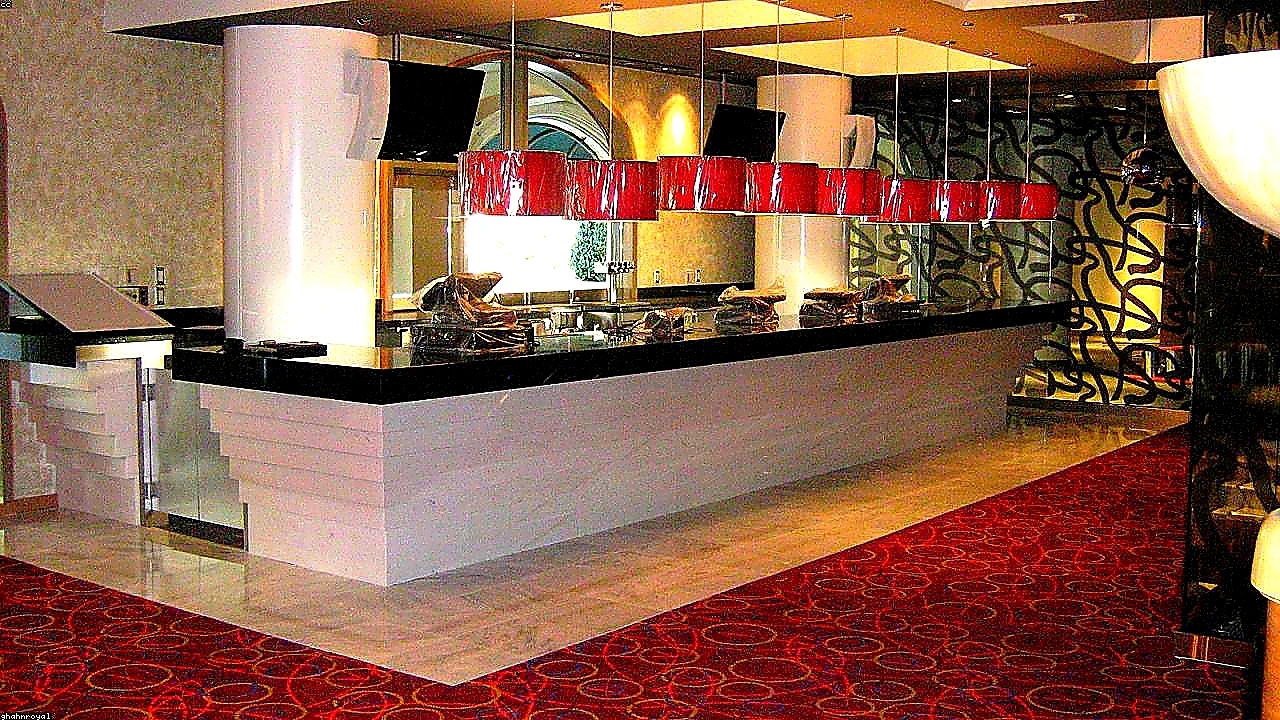
Restaurant owners searching captiveair usually want more than a brand name. They need a complete Type I exhaust package that captures grease-laden vapor, balances make-up air, and stays cleanable under daily service. CaptiveAire-style systems typically combine a stainless canopy, listed grease filters, an exhaust fan, and often a dedicated make-up air unit so the kitchen does not starve for replacement air. For more background, see Learn more about captiveair.
This guide is written for kitchen managers and facility buyers comparing canopy hoods, wall and island layouts, filter types, fan placement, grease management, and installation sequencing. It stays practical: what to measure, which codes to ask about, and which questions to put on a vendor quote. It does not invent model numbers, CFM charts, or prices, because those belong on a job-specific submittal.
Use it as a checklist before you lock in a hood length, overhang, and fan. A well-specified captiveair package reduces smoke rollback, heat at the pass, and surprise costs from undersized ducts or missing make-up air.
What a CaptiveAire-Style Hood Package Includes
A commercial exhaust package is not just a shiny canopy. For grease-producing equipment, you typically need a Type I hood with listed grease filters, a fire-rated or properly listed exhaust path, an exhaust fan rated for grease-laden air, and a strategy for make-up air. CaptiveAire is widely known for selling these pieces as coordinated packages, which helps when one vendor owns capture, exhaust, and replacement air instead of mixing unrelated catalogs.
The canopy itself is usually stainless steel, wall-mounted over a line or island-style over a center island. Lights, filter tracks, grease troughs, and hanger points matter as much as the face of the hood. Buyers should confirm listed construction for the cooking appliances below: charbroilers, woks, and solid-fuel equipment often need more capture and more robust grease handling than a light-duty steam table.
Filters are the first grease-control surface. Baffle filters are common because they can be removed, soaked, and inspected. Some designs use cartridge or other listed filter styles. Whatever you specify, plan a spare set so service does not stop while filters soak. Ask how grease drains into cups or troughs and how those cups are emptied without dripping onto the cookline.
Fans sit on the roof or in a listed location and must handle grease, weather, and required static pressure. A pretty hood with an undersized fan will smoke at the edges. Pair the fan with duct size, elbows, and listed cleanouts so inspectors and future cleaners can actually reach the interior of the duct.
Canopy, wall, and island layouts
Wall canopies are the default for a back-to-wall cooking line. They need enough end and front overhang so plumes do not escape toward the pass. Island hoods must capture from more sides and often need more width, better lighting, and careful make-up air so cross-drafts do not pull smoke into the dining room. Measure the equipment footprint, including any future add-on fryer, before you freeze hood length.
Make-up air is part of the package
Exhaust without replacement air creates negative pressure: doors slam, pilots snuff, and hoods lose capture. Many captiveair installations include a heated or tempered make-up air unit that delivers replacement air at the hood or nearby. Discuss whether air is introduced at the face, through a plenum, or as a dedicated diffuser, and how it is interlocked so the exhaust fan does not run without make-up air when the authority having jurisdiction requires it.

Sizing, CFM, Overhang, and Capture That Actually Works
Sizing starts with the cooking equipment, not a guess at square footage. Heavy grease and high heat need more capture volume and usually more hood overhang. Light-duty equipment may allow a smaller duty class, but mixing a charbroiler under a hood sized for ovens is a common failure. Have the manufacturer or a licensed designer apply the listed calculation method your jurisdiction accepts, whether that is a code formula, manufacturer listing, or engineered design.
CFM is the volume of air the exhaust fan must move at the design static pressure. Quotes that list CFM without static pressure, duct length, or elbow count are incomplete. A fan that meets CFM on a short, straight duct may fail on a long roof run. Ask for the assumed duct layout, grease duct listing, and whether the fan is listed for grease-laden air.
Overhang is the extra canopy beyond the cooking surface. Front overhang helps catch plumes that roll toward the cook. End overhang matters at the last fryer or range. Too little overhang, or a hood set too high, lets smoke escape even when CFM looks generous. Confirm mounting height against the listing and local code, and keep the cooking line from being pushed forward after install.
Capture also depends on side panels, walls, and nearby HVAC. A pass-through window, dining HVAC diffuser, or walk-in door blast can defeat a correctly sized hood. Walk the kitchen with the designer and mark every air path. During startup, a smoke test or tissue test at the hood edge is more honest than a brochure CFM number.
What to put on the measurement sheet
Record appliance type, fuel, width, depth, and whether equipment has a high backsplash or salamander. Note ceiling height, joists, grease duct route to the roof, fan curb location, and any existing fire suppression piping. Photograph the line from the cook's position. These details prevent a hood that is beautiful on paper and short on the last burner.
Codes, Fire Suppression, and Inspection Reality
Commercial kitchen exhaust is a life-safety system. Typical references in the United States include the International Mechanical Code, NFPA 96 for ventilation control and fire protection of commercial cooking operations, and the listing of the hood, filters, and fan. Your local fire marshal and mechanical inspector have the last word. Do not treat a national catalog as a permit.
Fire suppression is usually a listed wet-chemical system covering cooking appliances, the hood plenum, and the duct as required. Coordinate nozzle locations with the final equipment layout. If you swap a range for a charbroiler later, the suppression design may need recertification. Keep fusible links, gas or electric shutoffs, and manual pull stations accessible, and train staff on the pull station, not just the fire extinguisher.
Ducts that carry grease-laden air generally require listed grease duct construction, proper slope, cleanouts, and clearances to combustibles unless listed assemblies allow otherwise. Access panels must be reachable after ceilings go in. A captiveair package that includes matching duct and fan components can reduce mismatched listings, but the installing contractor still owns clearances, welds or listed joints, and support.
Permits, submittals, and as-builts protect you at sale or remodel time. Ask for filter listings, hood listing, fan listing, make-up air data, and the suppression drawing. After inspection, keep the approved set in the office. When a cleaner or AHJ asks for access, you should know every cleanout location without cutting the ceiling.
Staff training that inspectors notice
Train cooks not to leave filters out during service, not to block the hood with tall stockpots at the front edge, and not to tape over a missing filter. Show managers where the suppression pull is and what happens to gas or power when it discharges. A short written SOP next to the hood beats a verbal reminder after turnover.
Filters, Grease Management, Cleaning, and Daily Operations
Grease that stays in the kitchen is grease that does not bake onto the duct. Filters should be removed on a schedule that matches cooking volume. High-volume fry and grill lines may need daily filter washing; lighter lines may stretch longer, but never until filters are blinded. Blinded filters increase static pressure, reduce capture, and push grease into the plenum.
Cleaning contractors typically follow a frequency based on cooking type under NFPA 96 guidance and local rules. Hood interiors, fans, and ducts need listed access. Do not paint over or screw shut cleanouts. After cleaning, confirm filters are seated, grease cups emptied, and fan belts or listed drives inspected per the fan maker's instructions.
Daily kitchen habits matter. Wipe the canopy face, empty grease cups before they overflow, and keep the cooking equipment aligned under the hood. Steam from dishwashers and heat from pass-through windows can still affect capture, so keep those airflows in mind when you rearrange the line.
Noise and comfort are operational issues too. An oversized, poorly isolated fan can rattle the dining room. Discuss vibration isolation, curb location, and whether make-up air is tempered enough that staff are not blasted with cold air in winter. A captiveair package that balances exhaust and make-up air is easier to live with than a cheap exhaust-only install.
When to reclean or recertify
If you add a charbroiler, wok, or solid-fuel appliance, treat it as a new design problem: more grease, more CFM, possibly different filters and suppression. After a suppression discharge, follow the listed system's recharge and cleanup rules before cooking again. After a roof leak or fan replacement, recheck listings and interlocks so make-up air still starts with exhaust.
How to Compare Quotes and Plan Installation
Ask every bidder for the same scope: hood type and length, filter type and quantity, listed lights, exhaust fan model family and grease rating, make-up air capacity and heating method if any, duct responsibility, hanging and seismic or wind requirements as applicable, startup, and owner training. A low price that omits make-up air or listed grease duct is not a savings.
Installation sequence should protect the stainless and the listings. Hoods often hang before the cooking line is final, but appliance locations must match the suppression drawing. Coordinate electrician, plumber or gas fitter, sheet metal, fire suppression, and controls so interlocks, lights, and fans commission together. Roof work needs curbs, flashing, and access for future fan service.
Commissioning is where captiveair packages prove themselves. Verify fan rotation, belt tension if used, make-up air damper action, capture at each appliance, and that doors and nearby HVAC do not steal the plume. Document CFM or air readings if the designer specified them, and photograph filter orientation. Hand the manager a one-page filter and grease-cup routine.
For replacements in an existing restaurant, measure the old hood, duct, and fan curb before you order. Matching a new canopy to an old undersized fan repeats the smoke problem. Budget for roof repairs, ceiling patches, and a possible increase in make-up air if the new cooking line is heavier duty than the last.
Questions that separate complete bids
Who owns grease duct listing and cleanouts? Who sizes make-up air and heat? Who files the suppression permit? What is included in startup and owner training? What spare filters ship with the job? Clear answers prevent change orders after the stainless is already on the truck.
Frequently Asked Questions
What does captiveair usually mean in a commercial kitchen spec?
Buyers typically mean a CaptiveAire-style packaged ventilation system: a listed Type I or Type II hood, grease filters where required, an exhaust fan for the duty, and often a matching make-up air unit. It is a coordinated exhaust and replacement-air approach rather than a canopy purchased in isolation. Always confirm listings and local code acceptance on the actual submittal, not a brand nickname.
How is CFM determined for a captiveair hood?
CFM is calculated from the cooking equipment, hood style, listing or code method, and the duct and fan static pressure. Heavy grease and high heat generally need more exhaust and better overhang. A responsible quote states assumptions for duct length, fittings, and make-up air, then selects a grease-rated fan that can deliver that volume at the real static pressure.
Do I need make-up air with a CaptiveAire-style exhaust hood?
Most commercial kitchens that exhaust significant CFM need planned make-up air so the building does not go strongly negative. Negative pressure hurts capture, door operation, and sometimes combustion appliances. Many captiveair packages include tempered make-up air interlocked with the exhaust fan. Your mechanical designer and AHJ should confirm the amount, location, and heating or cooling of that air.
How often should grease filters and ducts be cleaned?
Filters should be cleaned often enough that they are not blinded; high-volume fry and grill lines often need daily or very frequent washing. Hood plenums, fans, and grease ducts follow a frequency based on cooking type, NFPA 96 guidance, and local rules, and they require listed access. Keep spare filters so the line never runs with empty filter slots.
Does the hood replace a fire suppression system?
No. A Type I hood works with a listed fire suppression system that typically protects appliances, the plenum, and the duct as required. Coordinate nozzle layout with the final equipment, train staff on the manual pull, and recertify if you change the cooking line. The hood captures grease-laden vapor; suppression is the fire protection layer.
What should restaurant owners check before signing a captiveair quote?
Confirm hood length and overhang against the actual appliances, filter type, fan grease listing, make-up air, grease duct and cleanouts, suppression coordination, startup, and training. Reject bids that omit static pressure, make-up air, or access for cleaning. Keep listed submittals and as-builts for inspections and future remodels.

Conclusion
A captiveair search should end with a complete, listed ventilation package: the right canopy and overhang, filters you can actually clean, a grease-rated fan sized for real duct static, make-up air that restores capture, and suppression that matches the line. Measure the equipment, walk the air paths, and put those facts on every bid.
Next, collect appliance cut sheets, photos of the cookline and roof, and your local inspector's expectations, then ask two or three qualified contractors for matching-scope quotes. Choose the package that documents listings, cleaning access, and commissioning-not the lowest canopy price alone.
Looking for a ready-to-order option? Explore this captiveair on The Horeca Store.
Related Guides
- Captiveaire Hoods Specifications
- Trading Areas Guide for Restaurant Site Selection
- What Does Yield Mean in a Recipe? A Guide


Comments
Post a Comment