Captive Aire Hood: Complete Commercial Kitchen Hood Buying Guide
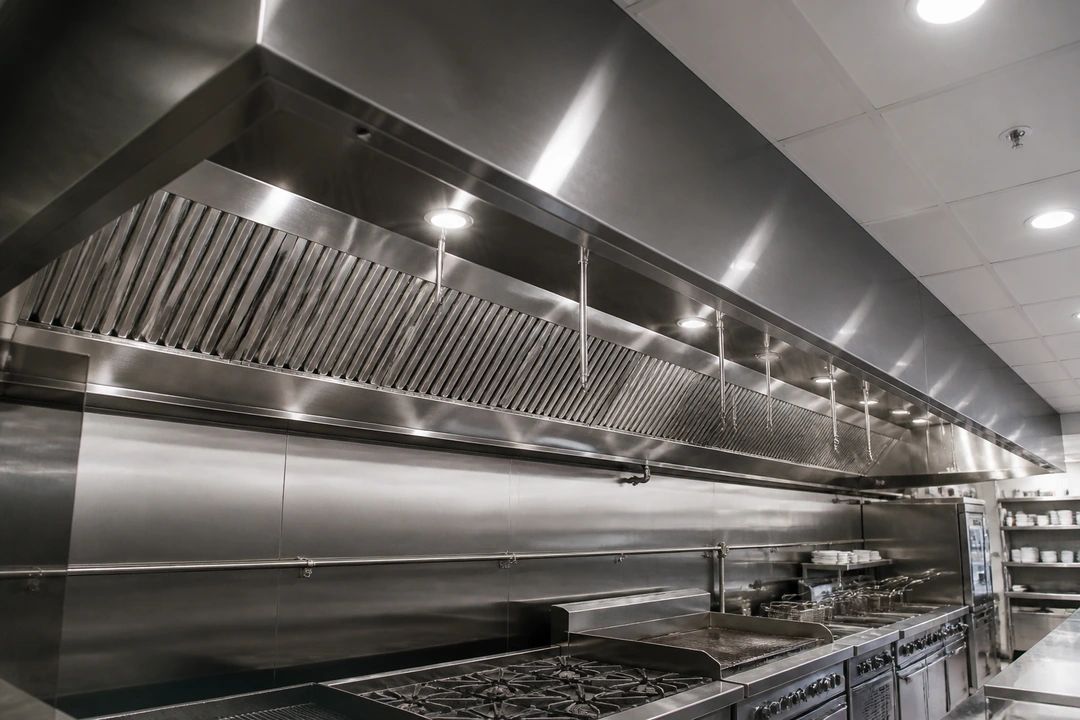
Commercial kitchens depend on reliable ventilation, and searching for captive aire hood usually means you need more than a generic canopy sketch. You need capture performance over ranges and fryers, code-ready construction, serviceable filters, and a ducted system that can handle grease-laden vapor without starving the room of make-up air. This guide explains how to evaluate captive aire hood options for restaurants, cloud kitchens, hotels, and high-volume cafes.
A hood is not an isolated appliance. It sits at the center of fire safety, indoor air quality, staff comfort, and equipment longevity. When smoke spills into the dining room or grease coats surfaces overnight, the root cause is often undersized exhaust, poor overhang, clogged filters, or unbalanced make-up air—not only “a weak fan.”
What Buyers Mean When They Search for Captive Aire Hood
Operators researching captive aire hood are usually comparing canopy style, length, filtration, and whether the package can cover a full cooking battery. Wall canopy hoods are common over linear ranges. Island hoods serve exhibition lines. Specialty proximity hoods may suit limited spaces. Match style to equipment layout first.
Beyond style, evaluate stainless finish quality, baffle filters, grease trough design, integrated lighting, and how easily staff can remove and clean components during close-down. A hood that is hard to clean becomes a fire-risk amplifier over months of service.
Core Components of a Commercial Hood Package
At minimum, plan for the canopy body, grease filters, exhaust collar(s), lights, grease collection, structural support, duct transition, exhaust fan, and make-up air strategy. Many projects also need control interlocks so cooking equipment cannot run without ventilation, plus interfaces with fire suppression systems.
Filter selection matters. Baffle filters are widely used for grease-laden effluent because they are cleanable and durable when maintained. Neglect turns filters into restrictions that reduce capture and raise fan energy. Build a cleaning schedule into opening SOPs, not as an afterthought after the first health or fire inspection finding.
Compare related product research such as captive air hood systems to understand how naming variations still point to the same ventilation decision factors.
Sizing and Capture: Getting Airflow Right
Hood length should cover the cooking equipment with proper overhang. End spills happen when the canopy is short or equipment sits too far forward. Exhaust rate must match heat and grease load. An undersized system looks fine at idle and fails at Friday dinner rush when every burner and fryer runs together.
Work with drawings that show equipment under the hood, not just a room outline. Note tall combi ovens, salamanders, and open-flame equipment that change plume behavior. If the menu will grow, leave a contingency in canopy length or confirm whether future sections can be added cleanly.
Installation, Codes, and Coordination
Hood projects fail when trades are sequenced poorly. Coordinate kitchen designer, mechanical contractor, electrician, fire protection technician, and hood supplier early. Ceiling height, structural steel, roof curb locations, and shaft pathways must be locked before fabrication. Field surprises are expensive in stainless and sheet metal.
Follow applicable local mechanical and fire codes, manufacturer instructions, and inspection requirements in your jurisdiction. Clearance to combustibles, duct construction, access panels, and suppression nozzle placement are not optional details. Commissioning should verify capture with cooking loads, not only with an empty line.
Operators often review captiveaire hood system alongside canopy options when they need clarity on exhaust performance versus front-of-house comfort.
Operations: Cleaning, Safety, and Uptime
Daily and weekly cleaning of filters and accessible grease paths keeps CFM closer to design values. Schedule professional duct and fan cleaning based on cooking volume. Heavy frying and charbroiling demand shorter intervals. Document dates—inspectors and insurers care about records as much as shiny surfaces.
Train staff to report smoke escape, unusual fan noise, or grease overflow immediately. Small symptoms become shutdown events when ignored. Keep spare filters or a cleaning rotation so the line never runs with missing baffles during peak hours.
Buying Checklist for Hospitality Operators
• Verify exhaust CFM, fan selection, and make-up air plan.
• Clarify filter type, quantity, and cleaning method.
• Align fire suppression and control interlocks with local code.
• Get installed-cost clarity: canopy + duct + fan + labor + accessories.
• Ask about lead time, warranty, and spare-parts support.
• Confirm cooking line length, depth, and equipment heat profile.
• Request canopy drawings with overhang and hanging details.
For specification deep-dives, also see captive air kitchen hoods so your purchasing packet includes both commercial requirements and product-page details.
Where to Explore Commercial Hood Options
Browse commercial exhaust solutions and related restaurant equipment through The Horeca store, then match your shortlisted captive aire hood requirements to drawings, utilities, and opening timeline before you place a deposit.
Practical Notes for This Search Intent
Keep a single source of truth for your captive aire hood project: drawing revision, quote revision, and email approvals in one folder. Version confusion is a top cause of wrong-size deliveries.
Final Takeaway
Choosing captive aire hood well means sizing for real cooking loads, balancing exhaust with make-up air, planning cleaning access, and buying with installed cost and code coordination in mind. Do that, and your kitchen stays clearer, safer, and more comfortable through every rush.
Frequently Asked Questions
Q: Do I need make-up air with a commercial hood?
A: In most commercial kitchens, yes. Exhausting large volumes without replacement air creates negative pressure and poor capture. Plan make-up air as part of the same design package.
Q: How often should hood filters be cleaned?
A: Frequency depends on menu and volume. High frying and charbroiling may need frequent cleaning, sometimes daily or multiple times per week. Create a logged schedule and inspect for grease loading.
Q: What documents should I request before buying captive aire hood?
A: Ask for dimensioned drawings, airflow data, filter details, material specs, warranty terms, lead time, and a clear list of included accessories versus installer-supplied items.
Q: Is a longer canopy always better for captive aire hood?
A: Longer helps only when it matches the equipment line and overhang needs. Excess length without proper airflow design can waste energy. Size to the cooking battery and plume behavior.
As you finalize procurement for captive aire hood, keep one updated drawing set, one approved quote, and one installation checklist shared across chef, owner, and contractor. Clear documentation prevents costly rework and keeps opening day ventilation performing the way the design intended.
Revisit your captive aire hood assumptions whenever the menu adds high-grease items or the cooking line expands. Ventilation that was adequate at soft opening can fall behind after a menu upgrade. Schedule a capture check during peak production at least once after major kitchen changes.
Keep spare cleaning tools, filter handling gloves, and a written close-down checklist near the line. Small operational habits protect expensive mechanical systems and reduce fire-loading risk across busy service weeks.
Revisit your captive aire hood assumptions whenever the menu adds high-grease items or the cooking line expands. Ventilation that was adequate at soft opening can fall behind after a menu upgrade. Schedule a capture check during peak production at least once after major kitchen changes.

Comments
Post a Comment