CaptiveAire Exhaust Fans: Buyer Guide for Kitchens
CaptiveAire Exhaust Fans: What Kitchen Buyers Should Know
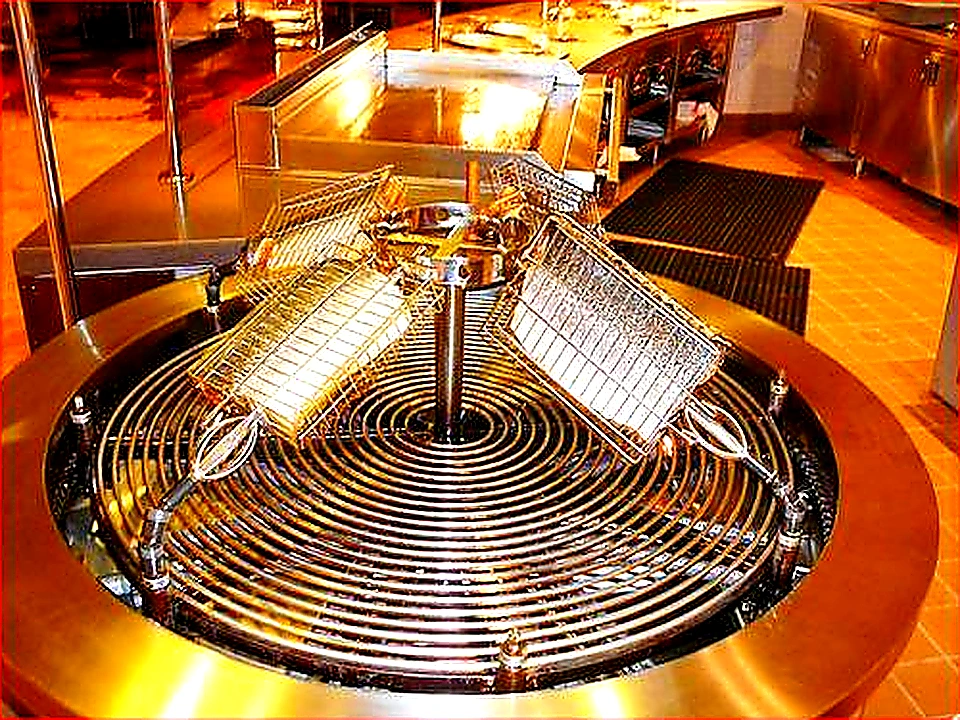
CaptiveAire exhaust fans sit at the heart of many restaurant ventilation packages. They pull smoke, heat, steam, and grease-laden vapor out of the cooking zone so the canopy hood, filters, and ductwork can do their jobs. For owners and kitchen managers, the fan is not a catalog extra. It is the engine that must match the hood, the appliances under it, and the make-up air that replaces what you exhaust. For more background, see Learn more about captiveaire exhaust fans.
Buyers comparing CaptiveAire-style systems usually look at canopy type, filter layout, exhaust fans, make-up air, grease management, and installation as one package. A fan that is undersized leaves the line hazy and the dining room smelling like fryer oil. A fan that is oversized without balanced make-up air can starve the kitchen of air, slam doors, and fight the HVAC system.
This guide is written for restaurant owners, kitchen managers, and facility buyers. It stays practical: how exhaust fans fit a hood package, how CFM is determined in the field, what codes and inspections typically care about, and how cleaning and fire suppression protect the investment. It does not invent model numbers, static-pressure ratings, or prices. Those come from a licensed mechanical designer, the manufacturer submittal, and a local installer who measures your duct run.
How CaptiveAire Exhaust Fans Fit a Full Hood Package
A commercial exhaust hood is a system, not a stainless box over a range. The canopy captures effluent. Filters knock down grease. Ducts carry the airstream. CaptiveAire exhaust fans create the negative pressure that moves that airstream to the roof or exterior discharge. Make-up air units replace exhausted volume so the kitchen does not pull air from dining rooms, restrooms, or neighboring tenants. Grease management-cups, troughs, listed filters, and cleanouts-keeps residue from building up where it can ignite.
When you compare packages, ask how the fan was selected for the hood listing and the appliance lineup. Type I hoods over grease-producing equipment need listed grease filters and a fan and duct path designed for that duty. Type II hoods over ovens, dishwashers, or steam equipment handle heat and moisture with different capture needs. Mixing those duties without a designer review is a common source of smoke spillage and failed inspections.
Installation quality matters as much as the name on the fan. Roof curbs, vibration isolation, weather caps, access for service, and grease-tight duct joints all affect whether the fan delivers design airflow years later. A well-chosen CaptiveAire exhaust fan on a leaky or undersized duct will still underperform. Facility buyers should require as-built drawings, belt or motor access notes, and a commissioning reading of airflow, not just a photo of the unit on the roof.
Canopy, filters, and the airstream the fan must move
Wall-mounted canopy hoods, island canopies, and proximity or backshelf hoods capture differently. Island hoods typically need more overhang and more careful makeup because effluent can escape on all sides. Filter type-baffle, cartridge, or other listed designs-changes resistance. Higher resistance means the fan must overcome more static pressure to hit the same cubic feet per minute (CFM). Your mechanical contractor should size the fan from the hood manufacturer's listed airflow plus calculated duct and fitting losses, not from a round number copied from another store.
Overhang is a capture rule of thumb, not a substitute for listing data. Front overhang over appliances is commonly discussed in the six-inch class for many wall canopies, with extra consideration at the ends of the line. Confirm the hood's installation manual and the listing. If woks, charbroilers, or high-plume equipment sit under the canopy, capture can fail even when the fan is spinning, because the plume misses the hood face.

CFM, Static Pressure, and Sizing Without Guesswork
CFM is the volume of air the exhaust fan moves in one minute. Kitchen exhaust CFM is driven by hood listing, appliance heat and grease output, and whether the hood is compensating or uses short-circuit make-up air. It is not a marketing slogan. Two restaurants with the same linear feet of hood can need very different exhaust rates if one has a charbroiler battery and the other has combi ovens and a light sauté line.
Static pressure is the resistance the fan must overcome: filters (especially when dirty), duct length, elbows, grease ducts, roof fans, and discharge fittings. A fan selected only on CFM, ignoring static pressure, will run off its curve. That shows up as weak capture, noisy operation, or motors that overheat. Ask the vendor for a fan curve or selection print that lists design CFM at the calculated static pressure, plus a note on filter loading so the system still works after a typical week of service.
Variable-speed or demand-control ventilation can reduce energy when the line is idle, but it must be listed and commissioned so minimum capture is never dropped below what the hood and fire system require. Do not treat a speed control as a way to hide an undersized fan. If the kitchen smokes at full fire with the fan on high, the problem is capture, makeup, or duct design-not a missing dial.
Make-up air: the other half of every exhaust fan decision
Every cubic foot you exhaust should be replaced in a controlled way. Uncontrolled makeup sneaks under doors and from the dining room, creating drafts, odor complaints, and unbalanced HVAC. Dedicated make-up air units can be tempered so winter air does not freeze dishwashers and summer air does not overwhelm cooling. The exhaust fan and makeup blower should be interlocked so the hood cannot run without replacement air when the design requires it.
Facility buyers should walk the roof and mechanical room: Are makeup intakes far from exhaust discharges and grease-laden outlets? Is there enough clearance for service? A CaptiveAire-style package often sells exhaust and makeup together for a reason. Splitting brands is possible, but someone still has to own the balance, the controls, and the warranty boundary.
Codes, Listings, and Fire Suppression Around Exhaust Fans
Commercial kitchen ventilation is a code-driven trade. In the United States, buyers typically encounter the International Mechanical Code (IMC), NFPA 96 for ventilation control and fire protection of commercial cooking operations, and local amendments. Hoods, grease ducts, and exhaust fans used with grease-laden effluent generally need to be listed for the application. Field-built shortcuts around listed assemblies are a frequent reason jobs fail inspection.
Fire suppression is paired with the hood, not an afterthought on the fan. Wet chemical systems protecting fryers, ranges, and broilers must be designed so nozzles cover the appliances and the plenum as required. Exhaust fans often need to keep running or follow a prescribed sequence during a suppression event so smoke is managed per the listing and AHJ (authority having jurisdiction). Confirm that sequence in the submittals. Do not assume the fan simply shuts off when the system dumps.
Access for inspection is a code and insurance issue. Grease ducts need cleanouts. Fans need service access. Rooftop units need safe walking paths and fall protection as required by the site. If a buyer cannot inspect the fan, belts, and grease collection without a circus of ladders, cleaning will be skipped and fire risk will rise. Put access on the bid form, not in a change order after the roof is done.
What inspectors and insurers usually look for
Expect questions about hood listing labels, filter type, duct construction and slope, fan listing for grease, makeup air, and the suppression system's current inspection tag. They also care whether the cooking line still matches the original design. Adding a charbroiler under a hood sized for a griddle is a classic failure mode. CaptiveAire exhaust fans cannot compensate for an appliance change that exceeds the hood's listed duty. Recalculate before you swap equipment.
Grease, Cleaning, Noise, and Day-to-Day Ownership
Grease is the hidden operating cost of exhaust fans. It loads filters, coats ducts, and can bake onto fan wheels until airflow collapses. A kitchen that looks clean at the pass can still have a dangerous duct. NFPA 96 and many local fire departments expect scheduled inspection and cleaning based on cooking volume. Heavy charbroiling may need much more frequent service than a light bakery hood. Keep logs. Insurers ask for them after a fire.
Filter cleaning is the operator's first line of defense. Clogged baffles spike static pressure and cut CFM. Train staff to soak and replace filters on a schedule, never to run the line with filters missing. Missing filters send grease straight to the fan and duct. That is both a fire problem and a way to destroy a rooftop unit.
Noise and vibration show up in tight urban sites and second-floor kitchens. Isolation curbs, proper mounting, and a fan that is not forced to run at an inefficient point on its curve all help. If neighbors complain, the fix is rarely "a quieter sticker." It is usually duct velocity, discharge location, or a fan fighting dirty filters. Service the system before you specify a replacement.
Installation and commissioning checklist for buyers
Before you sign off, require: hood and fan submittals that match the built appliances; makeup air interlock demonstration; measured exhaust and makeup airflow; confirmation of overhang and end panels; grease drain paths that actually drain; suppression coverage matching the line; and written access for future cleaning. Photograph nameplates. Store the fan curve with the as-builts. When a CaptiveAire exhaust fan is replaced years later, that packet is how the next contractor matches CFM and static pressure instead of guessing from a rusty housing.
Comparing Packages: Questions That Separate Real Bids
Two quotes can both say "CaptiveAire exhaust fans" and still be different jobs. Ask what CFM and static pressure were used, how duct length was measured, whether makeup is heated, who owns roof penetrations, and who commissions the balance. Ask about spare belts, motor voltage, and who responds when the fan trips on a Saturday night.
Energy is real but secondary to capture. A slightly more efficient fan that fails to hold smoke at the pass will cost you more in complaints, lost tickets, and health-department attention. Prioritize listed airflow, cleanable grease paths, and service access. Then talk motors, VFDs, and demand control with someone who will commission them.
If you are renovating, budget for duct replacement when cameras or openings show heavy grease. Putting a new fan on a fouled duct is a common false economy. The new wheel will load faster, and fire risk remains in the old liner. Pair fan work with a documented duct clean and a post-clean airflow test.
Frequently Asked Questions
What do CaptiveAire exhaust fans actually do in a kitchen hood system?
They create the airflow that pulls cooking effluent from the canopy through filters and grease ducts to a listed discharge, usually on the roof. The fan must be selected for both required CFM and the static pressure of filters, ducts, and fittings. Without a matched make-up air path, even a strong fan can create drafts, odor transfer, and poor capture.
How is CFM determined for CaptiveAire exhaust fans?
Design CFM comes from the hood listing, the appliances under the hood, and a duct calculation-not from a generic "per linear foot" rumor. A mechanical designer or qualified installer should provide a selection at a stated static pressure, including allowance for dirty filters. Field measurement at commissioning confirms the installed system actually hits that target.
Do I need make-up air if I already have CaptiveAire exhaust fans?
Yes, in almost every commercial cooking application the exhausted air must be replaced in a controlled way. Dedicated make-up air, often tempered, keeps the kitchen from stealing air from the dining room and keeps the hood's capture pattern stable. Exhaust and makeup should be designed and interlocked as a pair, then balanced after installation.
How often should grease ducts and exhaust fans be cleaned?
Frequency depends on how much grease-producing cooking you do. Heavy charbroiling and wok lines typically need more frequent professional cleaning than light baking. Follow NFPA 96 guidance as adopted locally, your insurer's requirements, and the cleaning contractor's inspection of fan wheels, ducts, and rooftop deposits. Keep dated reports with photos.
Will a bigger exhaust fan fix smoke spilling from the hood?
Not always. Spillage is often a capture problem: insufficient overhang, the wrong hood type, missing end panels, appliances that plume past the canopy, or make-up air blowing through the cooking zone. A larger fan can also worsen drafts if makeup is not increased. Diagnose capture and balance before you upsize the motor.
What should I verify before accepting a CaptiveAire-style ventilation package?
Match the built appliance line to the hood listing, confirm fan CFM at design static pressure, demonstrate makeup interlock, verify suppression coverage, and record measured airflows. Confirm service access to the fan, filters, and duct cleanouts. Store submittals and nameplate photos so future repairs replace like-for-like performance.

Conclusion
CaptiveAire exhaust fans succeed when they are specified as part of a listed hood, grease duct, makeup, and fire-suppression package-and then commissioned to the numbers on the submittal. Focus on CFM at real static pressure, overhang and capture, code listings, and a cleaning path you will actually use.
Next step: send your appliance schedule and a roof or mezzanine sketch to a qualified kitchen ventilation contractor, and ask for a selection print plus a commissioning plan. Compare bids on those documents, not on the fan name alone. That is how restaurant owners and facility buyers get a line that stays clear, inspectable, and serviceable.
Looking for a ready-to-order option? Explore this captiveaire exhaust fans on The Horeca Store.
Related Guides
- Captiveaire Exhaust Hood
- Combination Reach-In Refrigerators & Freezers Guide
- What Is Yield in Cooking for Restaurant Ops


Comments
Post a Comment